- February 1, 2026
- NT Recycling
Hungary and China Deepen Cooperation on Battery Recycling and New Energy Development
On February in Budapest, Hungarian experts emphasized that Hungary is committed to building a full life-cycle battery ecosystem and sees growing cooperation opportunities with China in battery recycling and the new energy sector. Chinese companies are welcomed to participate in technology research, development, and investment in Hungary.
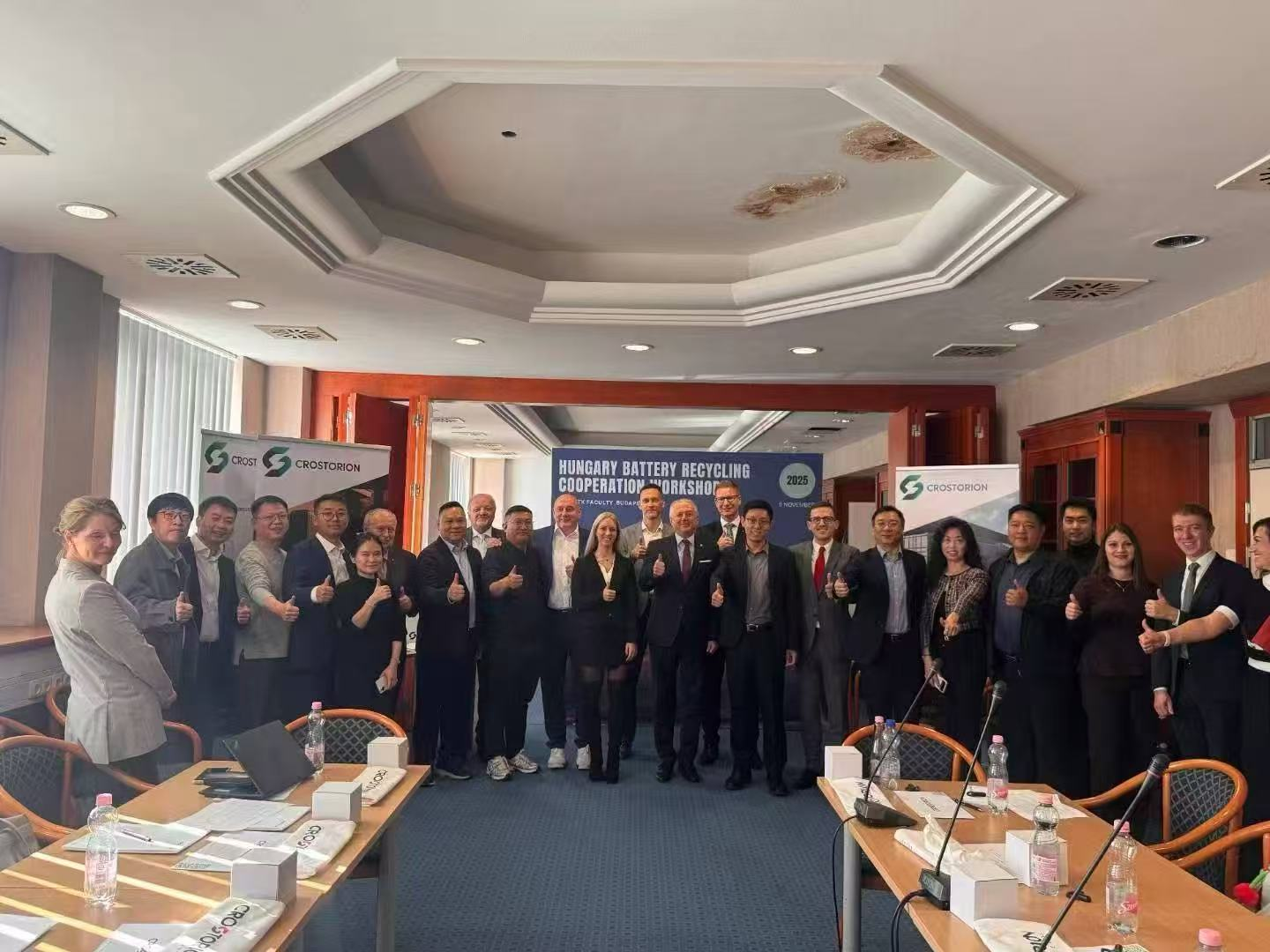
The remarks were made at the Hungary–China Battery Recycling and Carbon Footprint Cooperation Seminar, which brought together around 60 representatives from industry associations, research institutes, battery recycling companies, equipment manufacturers, and supply-chain partners from both countries. Participants engaged in in-depth discussions on the latest developments in lithium-battery recycling, technological innovation, regulatory and compliance frameworks, and international cooperation.
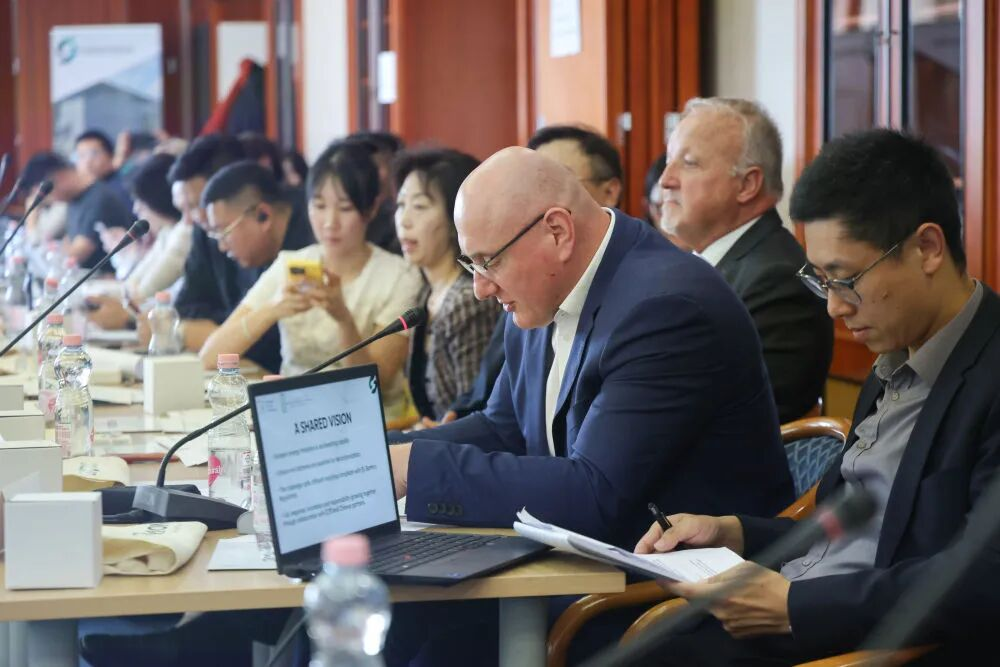
Péter Kaderják, President of the Hungarian Battery Association, noted that Hungary’s power battery production capacity has expanded rapidly in recent years, but that significant improvements in recycling and reuse are essential to ensure sustainable growth. He welcomed Chinese companies to participate in battery research, supply, and recycling, further strengthening bilateral cooperation.
Csaba Gondola, State Secretary for Circular Economy and Climate Policy at the Hungarian Ministry of Energy, stated that while Hungary’s new energy sector is developing rapidly, the growing number of batteries and solar panels will also bring challenges related to electronic waste. The involvement of international companies, he said, will help Hungary achieve an orderly energy transition.
Ádám Nagy, Deputy State Secretary for Industrial Affairs at the Hungarian Ministry for National Economy, emphasized that Hungary aims to establish a comprehensive battery ecosystem. In addition to battery manufacturing, battery recycling plays a critical role. He expressed expectations that Asian companies, including those from China, will inject new momentum into this ecosystem.
Zhao Dongchang, Chief Expert of the China Automotive Technology and Research Center (CATARC), highlighted that the rapid growth of electric vehicles underscores the importance of global coordination in automotive carbon management. China’s experience in vehicle carbon-footprint management, he said, can offer valuable references for Hungary and Europe.
Li Haitao, General Manager of BatteryHome, noted that China has accumulated extensive experience in lithium-battery recycling technologies and expressed his hope to work together with Hungarian partners to build a closed-loop lithium-battery recycling ecosystem.
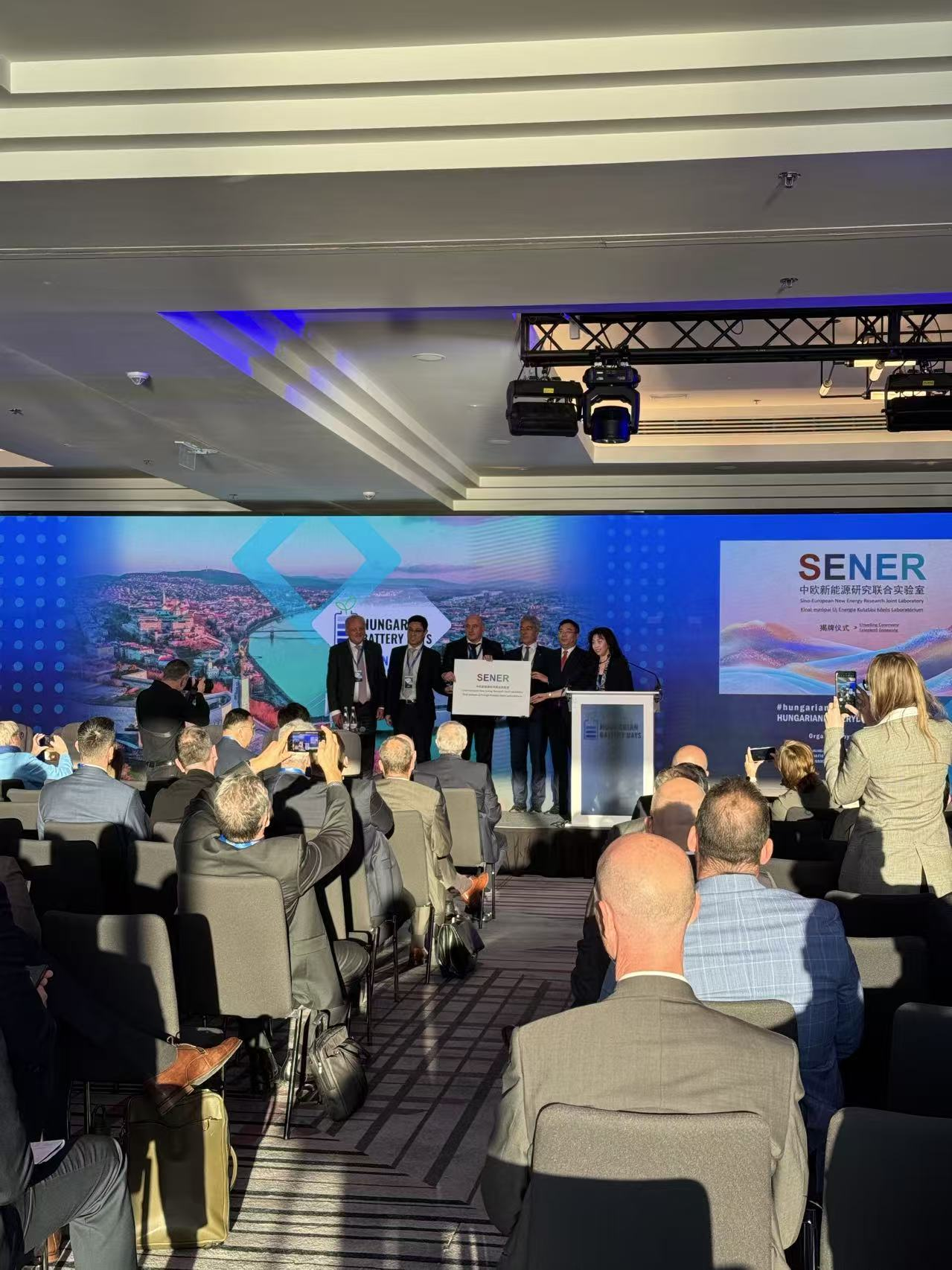
During the seminar, the China–Europe New Energy Joint Research Laboratory—jointly established by NT Recycling, Eötvös Loránd University, the China Electronics Equipment Technology Development Association, and China Automotive Technology and Research Center Co., Ltd.—was officially inaugurated.
Aleksandar Dzombic, Chairman of NT Recycling Group, stated that the establishment of the laboratory symbolizes the deepening cooperation between European and Chinese partners. The laboratory will focus on research in areas including lithium-battery recycling, carbon data integration, and the EU Battery Passport system.
The seminar was jointly organized by the Hungarian Battery Association and the China–Europe New Energy Joint Research Laboratory.